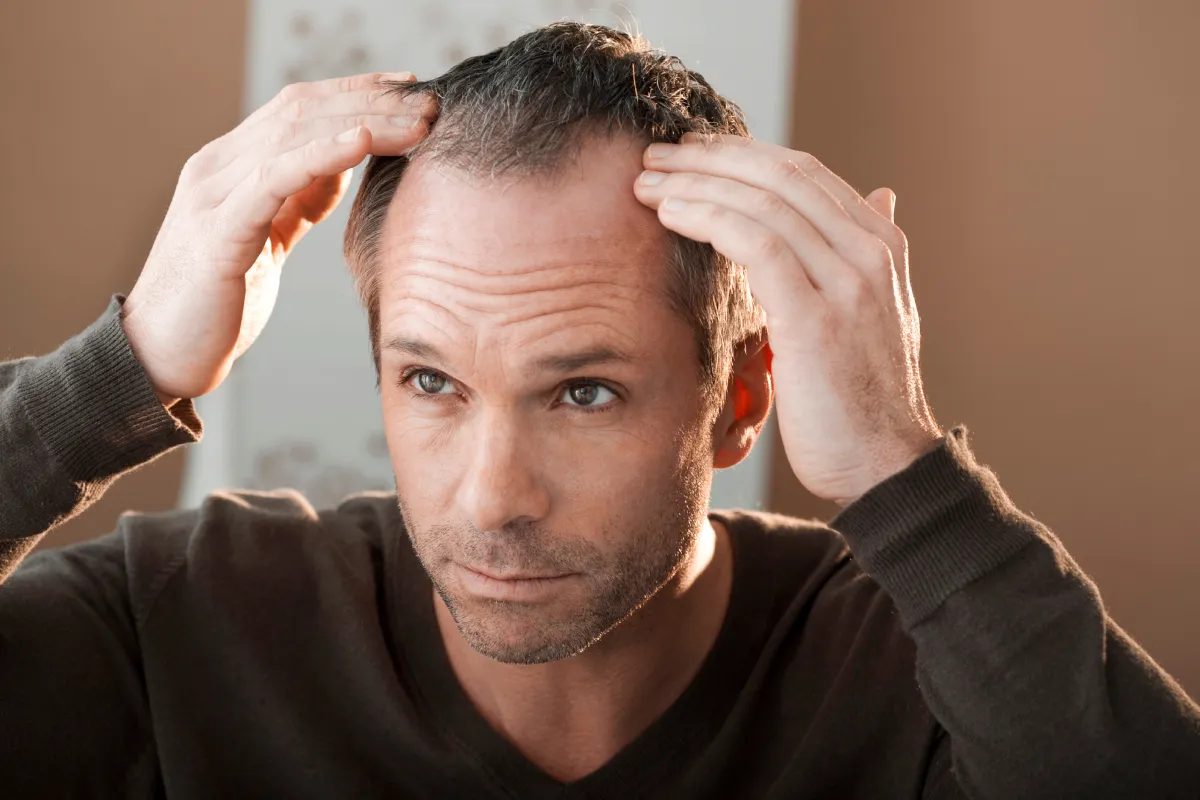
Hair thinning can reflect more than a change in the number of active follicles. Scalp condition, inflammation, nutrient delivery, cellular activity, and the natural growth cycle can all influence how well existing follicles produce hair. Regenerative hair restoration takes a broader approach by addressing several of these factors through treatments designed to support follicle function and create healthier conditions for natural growth.
How does advanced regenerative hair restoration support natural hair regrowth?
Advanced regenerative hair restoration uses treatments such as PRF, laser therapy, microneedling, biologics, and light-based therapies to support existing follicles, improve scalp health, and encourage a healthier hair growth cycle. These non-surgical approaches may help strengthen weakened follicles and support gradual improvements in hair density and quality over time.
Understanding the Biology Behind Hair Thinning
Each hair follicle moves through a repeating cycle. The anagen phase is the active growth period, catagen is a short transition phase, and telogen is the resting phase before shedding occurs. Changes that shorten the growth phase or cause follicles to gradually miniaturize may lead to thinner, shorter strands over time.
Genetics can play a major role, but other influences may contribute. Hormonal changes, inflammation, stress, nutritional deficiencies, aging, certain medications, and scalp conditions can affect the hair cycle. This is one reason a thoughtful hair restoration treatment should begin with an evaluation rather than immediately choosing a procedure.
The goal is not simply to stimulate the scalp. A regenerative strategy may focus on supporting cellular activity, improving the scalp environment, delivering growth factors or signaling molecules, and helping follicles remain productive for longer periods.
How Regenerative Hair Restoration Works
Traditional approaches to hair loss often concentrate on a single pathway. Advanced regenerative protocols can use several complementary methods to address different factors associated with thinning.
For example, light-based treatment may support cellular energy, while platelet-derived growth factors can provide regenerative signals around weakened follicles. Microneedling can create controlled channels in the scalp, while topical or biologic ingredients may be incorporated to support the treatment area.
This layered approach makes non-surgical hair restoration highly individualized. A provider may recommend one treatment on its own or combine several modalities based on the pattern of hair loss, scalp health, medical history, and remaining follicle activity.
8 Regenerative Hair Restoration Options
Modern hair restoration protocols may include several technologies rather than relying on a single procedure. Options can include:
- Folix Laser Therapy: Folix uses low-level light to support mitochondrial activity and cellular energy within the treatment area. This approach may help create conditions that support healthier follicle activity without injections or surgical intervention.
- PRF Injections: Platelet-rich fibrin is prepared from a patient’s own blood and contains platelets, fibrin, and naturally occurring growth factors. PRF is injected into targeted areas of the scalp to support follicle regeneration and tissue activity.
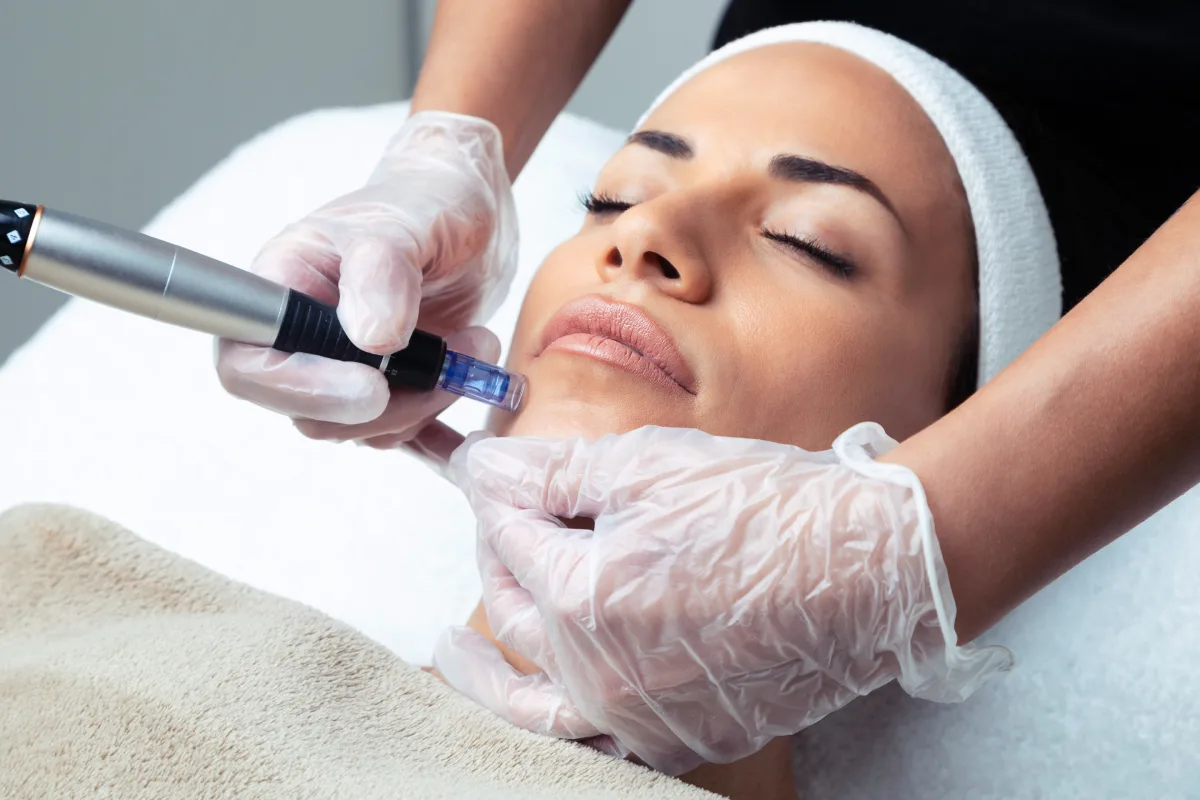
- Microneedling + Biologics: Microneedling creates controlled micro-channels within the scalp. These channels can improve contact and absorption of regenerative peptides or other biologic products applied as part of the treatment protocol.
- Exosomes & PDRN: Exosomes and PDRN contain signaling components used in regenerative aesthetic treatments. They may support tissue repair processes and cellular communication around hair follicles.
- Copper Peptides: Copper peptides are micronutrient compounds associated with skin and scalp health. They may be incorporated into treatment plans to support follicle strength and a healthier scalp environment.
- Minoxidil Dermal Stamping: Dermal stamping creates small controlled channels that may improve penetration of topical minoxidil while stimulating local scalp circulation. The approach combines a familiar hair-loss medication with mechanical scalp stimulation.
- Red Light Therapy: Red light therapy uses photobiomodulation to expose the scalp to specific wavelengths of light. Treatment is non-invasive and may support cellular activity and scalp conditions associated with healthy hair growth.
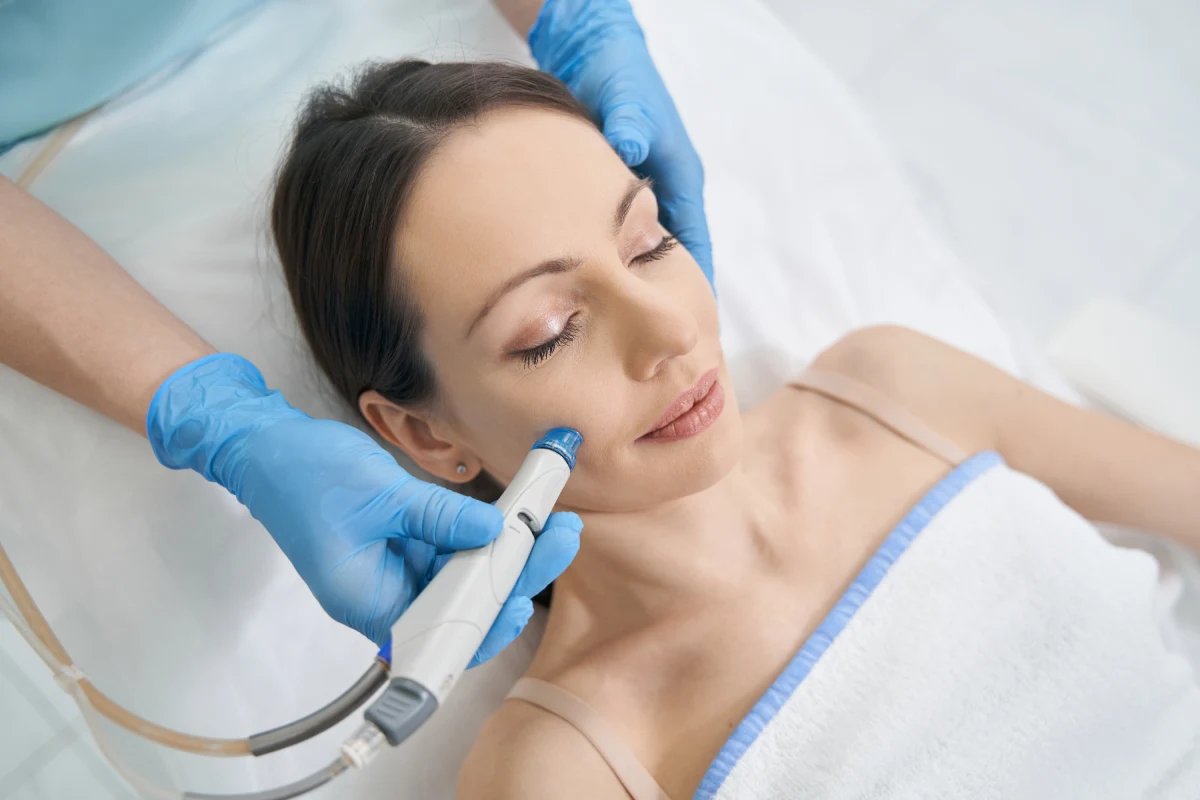
- Scalp HydraFacial: A scalp-focused HydraFacial treatment helps remove oil, buildup, and debris while providing hydration. Maintaining a clean, balanced scalp can complement treatments directed more specifically at follicle activity.
PRF Versus PRP Hair Restoration
Both PRF and PRP hair restoration use components obtained from a patient’s own blood, but their preparation differs.
PRP, or platelet-rich plasma, is processed to concentrate platelets within plasma before being injected into areas of thinning. Those platelets release growth factors that may support tissue activity surrounding existing hair follicles.
PRF, or platelet-rich fibrin, is prepared differently and typically forms a fibrin matrix containing platelets, white blood cells, and growth factors. Some regenerative protocols favor PRF because the fibrin structure may allow growth factors to remain within the treatment area for a period of time.
Neither approach is automatically appropriate for every person. Hair-loss pattern, follicle condition, health history, and the provider’s treatment strategy all influence which method may be considered.
Why Combination Treatment May Be Recommended
Hair thinning often involves more than one biological process. A patient may have follicular miniaturization along with scalp buildup, inflammation, or reduced cellular activity. Treating only one factor may leave other contributors unaddressed.
A provider might pair PRF injections with light therapy, for example, or use microneedling alongside regenerative compounds. Scalp HydraFacial treatments may be incorporated when buildup or dryness could interfere with scalp health.
Combination therapy does not mean every available treatment should be performed. The purpose is to select complementary options that address identifiable concerns while keeping the plan reasonable for the patient’s goals, tolerance, and schedule.
What to Expect From a Hair Restoration Treatment Plan
Regenerative treatment usually requires patience because hair develops slowly. Changes occurring beneath the scalp may take time to become visible as follicles move through the growth cycle.
Early signs can include reduced shedding or changes in hair texture before noticeable increases in density occur. Results vary based on the cause and duration of thinning, age, genetics, follicle viability, and consistency with the recommended protocol.
Maintenance may also be discussed. Some causes of progressive hair thinning continue over time, so periodic treatments or supportive home care may be recommended rather than viewing treatment as a one-time correction.
Fresh Faces Rx Advanced Regenerative Hair Restoration in Portland, Oregon
Fresh Faces Rx approaches advanced regenerative hair restoration in Portland, Oregon with physician-directed protocols designed around the biological factors contributing to each patient’s thinning. Because hair loss may involve follicular miniaturization, inflammation, changes in nutrient delivery, and disruption of normal growth phases, treatment can address several pathways instead of relying on one technique.
Our team has designed protocols to help reactivate weakened or dormant follicles, support a longer anagen growth phase, and improve the scalp environment needed for ongoing follicle health.
Ready to explore advanced regenerative hair restoration options? Visit the hair restoration experts at Fresh Faces Rx to learn about personalized, non-surgical treatments that promote healthier, fuller-looking hair.
Frequently Asked Questions
How long does regenerative hair restoration take to show results?
Visible changes from regenerative hair restoration often develop gradually over several months because follicles must progress through their normal growth cycle.
Is non-surgical hair restoration appropriate for all types of hair loss?
Non-surgical hair restoration may help certain forms of thinning, but candidacy depends on the underlying cause and the health of the remaining follicles.
How many hair restoration sessions will I need?
The number of sessions varies according to the treatment selected, the extent of thinning, and how the scalp and follicles respond over time.